
Comparative Hardware Security: Top Crypto Management Guide serves as the foundation for anyone entering the world of digital asset protection. Keeping private keys away from internet threats requires a dedicated physical device rather than simple computer programs. Storing wealth on a laptop exposes users to malware and phishing attacks that drain funds instantly. Choosing the right tool involves understanding how different technologies shield your savings from remote hackers and physical thieves.
Ownership of digital assets depends entirely on controlling your private keys. Using hardware wallets ensures those keys never touch a network or an infected operating system. Investors often ask why they should spend money on a device when free software exists. Relying on professional hardware provides a layer of defense that standard mobile apps cannot match because of hardware isolation.
Why Digital Asset Vulnerabilities Demand New Solutions
Comparative Hardware Security: Top Crypto Management Guide highlights why modern investors must look beyond traditional banking apps for safety. Digital assets live on the blockchain but the keys to move them exist on your specific device. Hackers exploit weaknesses in common operating systems to steal these keys through screen recording or clipboard hijacking. Moving to a dedicated device removes these attack vectors by keeping critical data offline at all times.
Security experts emphasize that software alone often fails to protect against zero day exploits. Malware can sit dormant for months and wait for you to type a password. Using a physical hardware device breaks the link between the internet and your secret seed phrase. Protection improves when the path between your wallet and the blockchain requires a manual physical action from your hand.
Understanding Risks of Hot Wallets
Software wallets function as hot storage because they remain connected to the web most of the time. Comparing Ledger vs Software Wallets shows a massive gap in how private keys stay handled during a transaction. Hot wallets store keys in a file on your hard drive where viruses can easily find them. Even strong passwords cannot stop sophisticated spyware from reading memory files during active sessions.
Analyzing Transaction Signing Processes
Signing a transaction inside a hot wallet means the key appears in the RAM of your computer or phone. Ledger vs Software Wallets comparisons frequently point out that hardware devices sign transactions internally away from the PC. Your private key stays behind a hardware wall while only the signed data leaves the device. This specific design choice prevents the most common forms of digital theft seen lately.
Evaluating Access Speed and Mobile Security
Convenience sometimes trades off with safety when users pick mobile apps for daily trading. Ledger vs Software Wallets discussions often focus on the balance between quick access and long term vaulting. Mobile phones have many apps that might request permissions to view your screen or read files. Hardware devices restrict these permissions by design because they lack a general purpose operating system.
How Secure Element Chips Protect Your Keys
Secure Element Explained involves looking at the specialized hardware components found in premium passports and credit cards. These chips act as a vault within the device to resist physical attacks from laboratory equipment. Unlike cheap microcontrollers found in toys or low end electronics, these chips have hardened shells. They process cryptographic tasks in a way that creates no detectable electrical noise for observers.
Using a Secure Element ensures that even if someone steals your physical device, they cannot easily extract data. Secure Element Explained teaches us that these chips use internal clocks and power regulators to stay stable. Protection against side channel attacks remains a top priority for developers of these specific components. This technology makes it feasible to carry millions of dollars in your pocket without fear of data leakage.
Resisting Fault Injection Attacks
Secure Element Explained must mention how these chips handle physical tampering through voltage changes. Attackers might try to glitch the chip to bypass a PIN code requirement. These specialized chips detect such anomalies and shut down before any data leaks out to the thief. This hardware level response provides a safety net that standard consumer electronics simply do not possess.
Protecting During the Manufacturing Chain
Supplying chips for hardware wallets requires a very high level of trust and verification. Secure Element Explained refers to the rigorous testing every batch must pass before reaching the consumer. Manufacturers use these chips to prove the device is genuine upon its first connection to the setup app. This process prevents people from buying fake hardware that looks real but contains malicious code.
Evaluating Chip Lifespans and Durability
Investing in hardware with a high grade chip means the device will last through many updates. Secure Element Explained shows that these components handle thousands of read and write cycles without failing. Reliability matters when you plan to hold assets for several years or even decades. The hardware remains stable because it lacks the complex moving parts of a standard computer.
Defining the Role of Proprietary Operating Systems
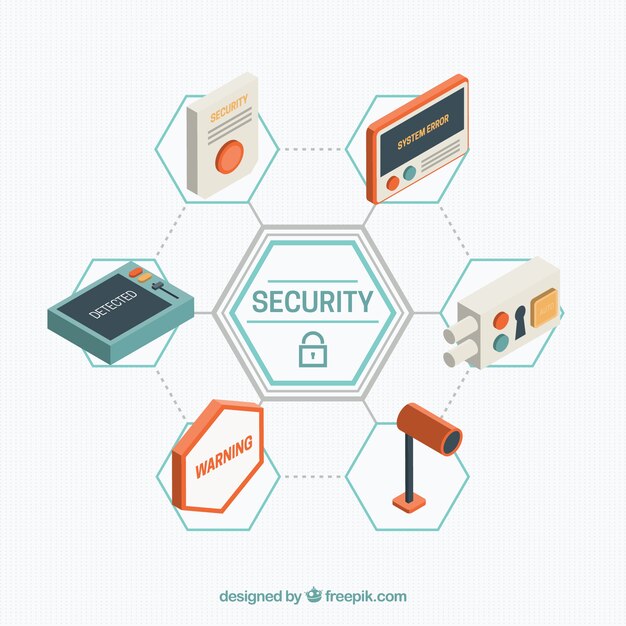
BOLOS Operating System functions as the heart of specialized hardware wallets to manage multiple applications. Traditional devices often use a single monolithic system where one flaw can ruin everything. This specific platform allows different coin apps to run in their own sandboxes without talking to each other. Isolating the Bitcoin app from the Ethereum app prevents a bug in one from affecting the other.
Creating a unique system like this ensures that the hardware performs only necessary tasks. BOLOS Operating System keeps the code footprint small to minimize the surface area for potential hacks. It acts as a gatekeeper between the user interface and the most sensitive parts of the Secure Element. Users benefit from a system that asks for permission before every single significant action.
Managing Application Privacy and Data
BOLOS Operating System creates a wall between different cryptographic secrets on the same device. Each app receives a specific set of keys derived from the master seed but cannot see the others. This logic ensures that if you install a third party app for a new coin, your primary assets stay safe. It allows for a flexible ecosystem without compromising the core security of the hardware.
Executing Code with Minimal Complexity
Engineers designed the BOLOS Operating System to be lean and verifiable by external auditors. Removing unnecessary features like video drivers or network stacks eliminates thousands of lines of risky code. The system focuses entirely on handling buttons, displays, and cryptographic signing. Simplicity becomes the greatest strength of specialized crypto management firmware in a world of complex bloatware.
Customizing Security for Individual Users
Through the BOLOS Operating System, users can set up extra PIN codes or passphrase options easily. These features add layers of protection for different accounts within the same physical device. It manages the logic of how the device responds to incorrect PIN attempts by wiping the data after too many fails. This logic is hard coded into the system to prevent any software bypass.
Achieving High Levels of Security Certification
CC EAL5+ Certification represents one of the highest industry standards for checking hardware chip safety. Independent labs test devices against various attack scenarios to verify they meet these strict requirements. Seeing this label means that the Secure Element has passed tests involving laser attacks and electromagnetic analysis. Most competing products in the crypto space do not carry this specific level of external validation.
Trusting a device becomes easier when an international body confirms its resistance to common threats. CC EAL5+ Certification focuses on the design and testing phases of the hardware life cycle. It proves that the manufacturer followed best practices during the creation of the security architecture. This certification is a standard requirement for government and banking chips worldwide.
Comparing Certification Levels Across Devices
CC EAL5+ Certification stands above lower tiers like EAL3 or EAL4 because of the depth of testing. Lower levels might only check the software logic rather than the physical chip resilience. Higher levels require the chip to withstand attacks from well funded adversaries with professional lab gear. Knowing your device has this score provides peace of mind during market volatility.
Understanding the Evaluation Process
Laboratories spend months trying to break the security of chips seeking CC EAL5+ Certification. They look for any way to leak even a single bit of private information from the silicon. The process involves checking the documentation and the physical implementation for any hidden flaws. Only a few companies in the hardware wallet industry invest the time to clear this hurdle.
Maintaining Standards After Launch
Holding a CC EAL5+ Certification means the manufacturer must stick to rigid quality control during production. Any major change to the hardware would require a new round of expensive testing. This consistency protects the end user from unexpected changes in the hardware quality over time. It ensures the product you buy today matches the security of the tested prototype.
Preventing Physical Compromise with Advanced Shields
Tamper Proof Tech refers to the physical and logical safeguards that block thieves from opening your device. Many people worry about the supply chain or a thief stealing the wallet from their home. Manufacturers use special casings or glue that shows clear signs of any opening attempt. Additionally, the software detects if the internal hardware has been modified during the boot process.
Protection begins at the factory with secure packaging and tamper evident seals on the box. Tamper Proof Tech also includes internal sensors that can erase the device if someone tries to drill into the chip. This aggressive defense ensures that a lost device does not lead to lost funds. The device effectively destroys its own secrets before a hacker can read them.
Identifying Signs of Physical Entry
Using Tamper Proof Tech allows users to see if someone handled their device while they were away. Cracked plastic or strange gaps in the seams serve as warning signs for the owner. Modern designs avoid using screws so that any entry requires breaking the permanent outer shell. Checking the physical state of your wallet should be a regular part of your security routine.
Implementing Software Attestation Checks
Tamper Proof Tech works alongside software to check the integrity of the firmware. Every time you turn on the device, it runs a self test to confirm the code is genuine. If the system detects a change, it displays a warning or blocks transaction signing entirely. This link between the physical build and the digital logic provides a deep layer of trust.
Securing the Supply Chain Path
Ships and warehouses are often the places where hackers try to swap genuine devices for fake ones. Tamper Proof Tech includes digital signatures that the official app checks during the first plugin. If the device was intercepted and changed, the software will alert the user immediately. This method is much more reliable than simple holographic stickers on a box.
Manage your collection by following these steps to ensure a safe setup:
- Inspect the physical box for any signs of peeling or re-taping before opening.
- Connect the device to the official manager software to verify the genuine status of the chip.
- Write down your recovery phrase on paper and store it in a water resistant location.
- Install the specific coin apps you need through the manager interface.
- Transfer a small test amount to verify that the address on the device screen matches your PC.
Verifying Actions Through Physical Button Confirmation
Physical Button Confirmation forces the user to interact with the device to approve any movement of funds. Computers can be hijacked by remote software that clicks "send" without your knowledge or consent. A hardware wallet ignores all signals from the USB port until a human presses the actual buttons. This simple mechanical step stops remote hackers because they cannot physically reach into your room.
Displaying the destination address and the exact amount on the device screen remains a vital safety step. Physical Button Confirmation ensures that what you see on your computer screen is what is actually happening. Malware might show a friendly address on your PC while sending coins to a thief in the background. Looking at the device screen and pressing the buttons provides the final word on every transfer.
Preventing Remote Ghost Transactions
Physical Button Confirmation creates a bridge that code alone cannot cross. No matter how powerful a virus is, it cannot generate a physical finger press on the wallet. This requirement remains the ultimate defense against the most common internet based theft methods. It transforms the user from a passive observer into an active gatekeeper for their wealth.
Reducing Errors During High Stress Trades
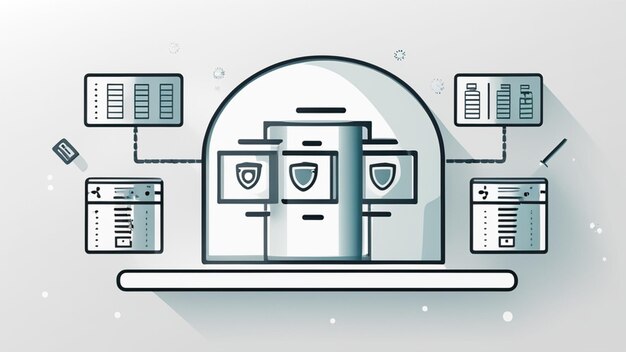
Taking a moment for Physical Button Confirmation allows you to double check the details of a transaction. Seeing the full address on a small screen encourages a more careful approach to crypto management. Many users have saved their funds by noticing a wrong address during this final check. It acts as a mandatory "cooling off" period for every single dollar moved.
Exploring Durable Button Engineering
Engineers design these parts for Physical Button Confirmation to last for thousands of clicks over years of use. Tactile feedback helps the user know that the device correctly registered the input. Smooth and responsive buttons are a sign of a high quality hardware build tailored for security. This mechanical reliability is just as important as the code running inside the chip.
Maintaining Assets within an Isolated Environment
Isolated Environment design keeps your private keys completely separate from any other hardware or network. Think of the device as a tiny island that only speaks a very limited language to the outside world. It never shares the actual keys, only the math results that prove you own those keys. This separation ensures that even a computer riddled with viruses cannot extract your secret phrase.
Building an Isolated Environment involves removing any complicated communication features like Wi-Fi or Bluetooth in some models. Even in models with wireless links, the internal chips keep the secrets far away from the radio. The system only allows specific, encrypted messages to pass through to the main computer. This narrow tunnel for data makes it nearly impossible for malicious code to leak your secrets.
Benefits of Air Gapped Logic
Operating in an Isolated Environment mimics the safety of an air gapped computer without the inconvenience. You get the benefit of a machine that never touches the web while staying easy to use. The device acts as a filter that strips away any dangerous data coming from the PC. This logic is why hardware wallets are considered the gold standard for long term protection.
Securing the Private Key Generation
Generating keys in an Isolated Environment means your 24 word recovery phrase starts its life offline. Unlike generating keys on a web browser, no server ever sees these words during the creation process. This "immaculate conception" of keys is vital for true ownership of digital coins. You can be certain that you are the only person in the world who knows those words.
Limiting Hardware Interaction Points
Keeping the device in an Isolated Environment means it has a very tiny list of components that can fail. It does not need a large operating system or a camera to perform its main job. Every piece of the hardware serves the single purpose of protecting the cryptographic root. This focused design approach leaves very few doors open for potential intruders.
Evaluating the Strategic Cold Storage Benefits
Cold Storage Benefits include the peace of mind that comes with knowing your money is not on a server. Exchanges can be hacked, go bankrupt, or freeze your account without warning or legal recourse. Holding your own keys means you are your own bank with full control over your future. This autonomy is the primary reason why investors move their assets into hardware wallets.
Maximizing Cold Storage Benefits requires a disciplined approach to how you handle your recovery papers. While the hardware protects the keys, the paper backup is the ultimate key to your digital vault. Keeping this paper in a physical safe creates a layered security plan that protects against both digital and physical threats. The long term safety of your portfolio depends on this combination of hardware and physical habits.
Managing Large Portfolios Safely
Gaining Cold Storage Benefits is essential for anyone holding more than they are willing to lose in a day. Professional investors use these tools to ensure their core holdings remain untouched by daily market noise. It allows for a "set it and forget it" strategy where you know your coins are safe for years. The barrier provided by hardware makes impulsive and risky trades slightly harder to execute.
Accessing Multiple Blockchains from One Device
Providing Cold Storage Benefits across many different coins makes a single device very valuable. You can store Bitcoin, Ethereum, and thousands of other tokens in the same secure place. This consolidated approach simplifies your security routine without increasing your risk profile. Modern wallets support a vast range of assets through a single master recovery phrase.
Reducing Third Party Dependency
Embracing Cold Storage Benefits means you no longer rely on a company to process your transactions. You interact directly with the blockchain using your own hardware to sign the messages. This removes the risk of a middleman failing or being forced to block your access. True financial freedom starts with the ability to move your funds whenever you choose.
Review the list of hardware accessories to improve your setup:
| Accessory Name | Price (Est.) | Compatibility | Best Use Case |
|---|---|---|---|
| Steel Backup Plate | $50 | All Hardware Wallets | Fireproof seed storage |
| Silicone Shield | $15 | Specific Nano Models | Protection from drops |
| OTG Cable Kit | $20 | Android and USB-C | Mobile phone connectivity |
| Carry Case | $25 | Universal Sizes | Travel and organization |
Comparative Hardware Security: Top Crypto Management Guide FAQ
Comparative Hardware Security: Top Crypto Management Guide aims to answer common questions about maintaining digital safety. Users often wonder if their coins are actually inside the plastic device they hold. In reality, the coins stay on the blockchain while the hardware holds the keys to move them. If you lose the device, you can use your recovery phrase to restore access on a new one.
Checking your Intellectual Property rights regarding software usage is also a good practice for tech enthusiasts. Some people ask if a battery failure will delete their crypto assets forever. The memory inside the device stays stable even without power for many years. Simply charging the device or replacing it will bring back your ability to manage your money.
Can someone steal my coins if they find my device?
Stealing assets from a found device is very difficult because of the mandatory PIN code requirement. Most hardware wallets will wipe all data after three wrong guesses in a row. This feature protects you if you lose your wallet while traveling or in a public space. Always pick a unique PIN that is not easy for others to guess, like a birthday.
How does the Cost Basis Calculator help with taxes?
Using a Cost Basis Calculator helps users track the value of their coins from the moment of purchase. Hardware wallets often integrate with software that tracks these numbers for you automatically. Knowing your profit and loss is essential for filing accurate tax returns in most countries. Proper record keeping makes the transition from hardware storage to liquid cash much smoother.
Where can I find a Financial Overview of my holdings?
Viewing a Financial Overview is possible through the companion apps provided by the device maker. These dashboards show your total balance across all accounts and different types of crypto assets. It gives you a clear picture of your net worth without needing to log into multiple exchanges. This single view helps in making better decisions about when to buy or sell.
Choosing a hardware wallet requires looking at the balance of chip security and ease of use. Comparative Hardware Security: Top Crypto Management Guide shows that the best devices use certified chips and proprietary systems. Protecting your wealth is a long term journey that starts with the right physical tools. Investing in a high quality device today prevents the heartache of a digital theft tomorrow.