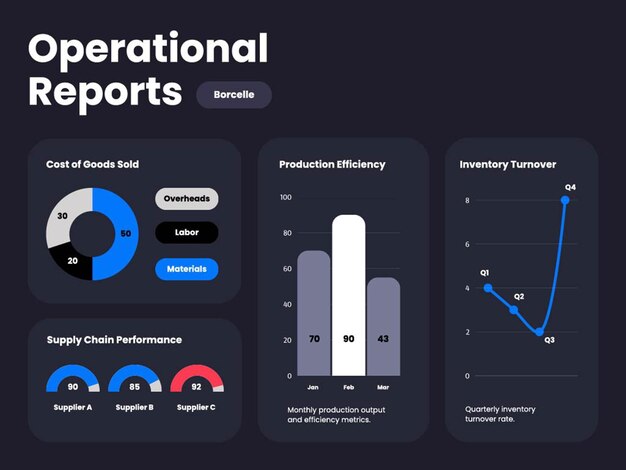
Portfolio Performance Analytics: Crypto Management Guide provides the framework needed to measure wealth growth in a digital age. Investors often struggle to keep track of their holdings across multiple chains. Using a centralized dashboard clarifies exactly where capital resides. Success depends on understanding your entry points and current market values. This guide explains how to master your data to make better financial decisions every day.
Managing digital assets requires more than just looking at a price screen. Precise data collection helps identify which strategies actually work over long periods. Professional tools allow users to see through market noise by focusing on cold numbers. Reliable tracking prevents emotional trading during periods of high price swings. Every smart investor starts by organizing their history and setting clear goals for their future holdings.
How Global Market Shifts Impact Private Ledger Data
Portfolio Performance Analytics: Crypto Management Guide highlights how external volatility creates a need for internal record keeping. Market trends move faster than traditional stocks which can confuse casual observers. Tracking these shifts manually often leads to errors in judgment or missed opportunities. Professional software mitigates these risks by pulling data from multiple sources into one view. You can see how your coins react to news or macro events in real time.
Observing Changes Through Market Trends Ledger
Market Trends Ledger shows how specific coins behave relative to the total market cap. Monitoring these patterns allows for better timing when moving between stablecoins and volatile assets. Many traders use this data to find hidden correlations between different blockchains. Historical charts prove that some projects follow Bitcoin while others move based on unique utility. Identifying these cycles gives an edge over those who trade based on social media hype only.
Adapting Strategies to Worldwide Economic Cycles
Economic cycles dictate whether capital flows into risky crypto projects or back into fiat currencies. Investors leverage Taproot Upgrade features to ensure their Bitcoin transactions remain efficient during busy periods. High interest rates often lead to lower liquidity across exchange platforms. Savvy participants watch these global signals to decide when to expand their position. Understanding the bigger picture keeps a portfolio healthy during long crypto winters.
Why Investors Need a Profit and Loss Tracker
Profit and Loss Tracker functionality serves as the backbone for any serious investment strategy. Knowing exactly how much you earned after fees determines your actual success rate. Many newcomers mistake unrealized gains for permanent wealth before considering exit costs. Dedicated tools calculate these numbers by comparing purchase dates against current market valuations. This clarity keeps expectations realistic while highlighting which assets perform well.
Deciphering Unrealized Versus Realized Gains
Profit and Loss Tracker screens separate holdings still in the wallet from those already sold for cash. Realized gains represent locked profits that are no longer subject to daily market swings. Unrealized gains show potential value but vanish if prices drop before a sale occurs. Balancing these two categories helps maintain a stable net worth over time. Smart traders often take partial profits to secure their initial capital while letting the rest grow.
Identifying Low Performing Digital Assets
Profit and Loss Tracker data reveals which altcoins are dragging down the total portfolio value. Selling losing positions can free up liquidity for more promising opportunities in the market. Keeping a dead asset for too long results in opportunity cost that hurts long term growth. Analyzing these losses helps refine the selection process for future investments. It is better to admit an error than to lose the remaining value of a failing project.
Managing Taxes with a Cost Basis Calculator
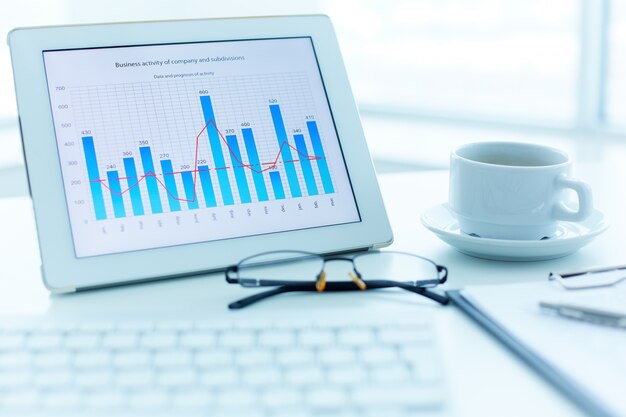
Cost Basis Calculator tools simplify the nightmare of preparing annual financial reports for government agencies. Tax authorities require specific records of every trade to determine what you owe on gains. Calculating this manually for hundreds of small trades leads to expensive mistakes and potential audits. Using an automated system ensures that you follow the weighted average or first in first out rules. This process protects your wealth by preventing overpayment of taxes.
Calculating Fair Market Value at Purchase
Cost Basis Calculator software finds the exact price of an asset the moment you received it. Prices change by the minute which makes retroactive manual tracking nearly impossible. Digital tools bridge this gap by syncing with exchange order books from past years. Having this data ready makes the filing process fast and painless every spring. Accuracy here ensures that your reported income matches what the blockchain proves.
Streamlining Annual Financial Reports
Cost Basis Calculator systems generate clean documents that accountants can use immediately. Professional reports reduce the hours spent on manual entry during tax season. Using the correct Firmware Recovery methods ensures your hardware wallet data remains accessible for these exports. Keeping clean records is the best way to handle questions from revenue services. Organizing your data early prevents stress when deadlines approach.
Integrating Professional Tax Reporting Tools
Tax Reporting Tools connect your wallet history to local tax forms with just few clicks. Legislation regarding digital currency changes often and staying compliant is a full time job. These platforms update their logic to reflect the latest rules in your specific country. Most systems allow for the import of CSV files or direct API connections to popular exchanges. Using these services minimizes the risk of human error in your final calculations.
Benefits of Automated Filing Software
Tax Reporting Tools eliminate the need to understand complex tax codes yourself. Software providers hire experts to ensure the math follows current legal standards. Users simply review the final summary before submitting it to their local authorities. This automation saves hundreds of hours for active traders who move funds daily. Peace of mind comes from knowing your numbers are legally sound and verifiable.
Maintaining Compliance with Local Regulations
Tax Reporting Tools help you avoid penalties that come from underreporting crypto income. Governments now share data with exchanges to find users who hide their gains. Showing a clear paper trail proves you are a responsible participant in the financial system. Proper reporting also makes it easier to move funds back into the traditional banking system. Banks often require proof of origin for large wire transfers from crypto platforms.
Exporting Data with Ledger Live History Export
Ledger Live History Export functions allow users to take their private data and move it into spreadsheets. Hard copies of your transactions are vital for long term record keeping outside of the app. Storing these files on a secure drive provides a backup if you lose access to your software. Portfolio Performance Analytics: Crypto Management Guide recommends a monthly export to keep records fresh. This habit ensures that you always have a local copy of your financial journey.
Creating Spreadsheets for Custom Analysis
Ledger Live History Export files work perfectly with Excel or Google Sheets for deep data mining. You can build personal charts that focus on specific metrics not found in standard apps. Comparing your results against the S&P 500 or Gold becomes simple with raw data. Custom filters help sort transactions by fee size or transaction type easily. Individual control over your data is a core tenet of the crypto philosophy.
Securing Financial Records Offline
Ledger Live History Export provides a way to view your history without connecting to the internet. Maintaining privacy means keeping your financial details away from cloud servers whenever possible. Encrypting these exported files adds an extra layer of protection for your sensitive information. Accessing your data offline prevents tracking by third party advertisers or malicious actors. Your history belongs to you and should remain under your direct control.
Visualizing Wealth with an Asset Allocation Chart
Asset Allocation Chart visuals provide an instant look at how your wealth is spread across tokens. Seeing a large slice for one coin might signal a need for more diversification. High concentration in a single project increases the risk of a total portfolio wipeout. Balancng holdings across different sectors like DeFi or Oracles builds a more resilient strategy. Visual aids help you stick to your target weights during emotional market rallies.
Diversifying Between Bitcoin and Altcoins
Asset Allocation Chart tools show the ratio of stable assets versus speculative ones. Checking ERC20 Token Support allows you to include various Ethereum based projects in your view. Most experts suggest keeping a large portion of the pie in Bitcoin for stability. Smaller slices can go toward high growth projects with more potential upside. Adjusting these slices monthly prevents your portfolio from becoming top heavy.
Rebalancing Portfolios for Risk Management
Asset Allocation Chart updates remind you when it is time to sell some winners. Buying more of the underperforming assets during a dip keeps your strategy on track. This disciplined approach forces you to buy low and sell high automatically. Without a chart, it is easy to let one coin take over your whole net worth. Maintaining a steady balance protects you from the sudden collapse of any single ecosystem.
Monitoring Growth Using Balance History
Balance History tracking shows the steady climb or fall of your total value over years. Looking at a single day provides very little context for your actual progress. Long term trends reveal whether your buying habits are actually building wealth. Portfolio Performance Analytics: Crypto Management Guide suggests reviewing this monthly to stay motivated. Seeing the line move upward over time offers the best validation for your investment choices.
Analyzing Performance Over Long Durations
Balance History graphs smooth out the daily volatility to show the real growth curve. Comparing this year to last year provides a clear picture of your financial health. Many investors find that they are doing better than they thought during short term red days. Tracking the total value in fiat helps relate crypto success to real world goals. This perspective is vital for staying calm during the inevitable market corrections.
Tracking Inflows and Outflows Accurately
Balance History logs help distinguish between market growth and new deposits of cash. Adding fresh capital makes the portfolio look bigger but does not count as a profit. Software separates your performance into organic growth versus manual contributions. Knowing your actual rate of return helps compare crypto to other investment vehicles. Honest data leads to better choices about where to put your next paycheck.
Understanding Live Value with Dynamic Pricing
Dynamic Pricing ensures that the numbers you see are based on the latest trade data. Crypto never sleeps and prices change every second across hundreds of global exchanges. Reliable trackers aggregate these prices to give a fair average for each token. Portfolio Performance Analytics: Crypto Management Guide relies on these feeds for all its calculations. Without live data, your profit metrics would be outdated and useless for making trades.
Connecting to Multiple Exchange API Feeds
Dynamic Pricing engines pull from various sources to avoid errors from a single platform. If one exchange has a liquidity crisis, the aggregate price remains mostly accurate. High volume traders need this accuracy to execute large orders without getting bad fills. Most tools refresh every few seconds to keep your dashboard current. Seeing the live pulse of the market helps you react to breaking news instantly.
Managing Liquidity with Real Time Updates
Dynamic Pricing tells you exactly how much your coins are worth if you sold them now. Knowing the current price helps calculate the slippage for large exits into stablecoins. Fast updates allow you to set alerts for specific price targets you want to hit. Modern apps bring this data directly to your phone for constant monitoring. Accuracy in pricing is the difference between a successful trade and a missed chance.
Step by Step Setup Guide
Establishing an analytics routine ensures long term success in the digital asset space. Follow these steps to organize your holdings for better oversight.
- Gather all public addresses for every wallet you own currently.
- Connect your hardware device to the official management application safely.
- Import your trade history from exchanges using the provided API keys.
- Categorize each transaction to ensure the tax categories are correct.
- Set your target allocation percentages for each major coin category.
Comparison of popular asset tracking features and hardware wallet compatibility:
| Feature Name | Primary Use Case | Compatibility | Price Range |
|---|---|---|---|
| Ledger Nano X | Cold Storage | BT, ETH, 5k+ Tokens | $149.00 |
| Ledger Nano S Plus | Entry Level Security | Full App Support | $79.00 |
| Crypto Tax Soft | Reporting Tools | Web Based | $0 - $299 /year |
- Supports over 5000 different digital assets and coins.
- Includes native staking features for passive income generation.
- Provides high level security through certified chips and PINs.
- Offers mobile app connectivity for tracking on the go.
Portfolio Analytics Frequently Asked Questions
Portfolio Performance Analytics: Crypto Management Guide answers common questions about digital asset tracking and security. Many users wonder if these tools can see their private keys during the sync process. Analytical software only reads public blockchain data and never touches your secret recovery phrase. Keeping your keys offline while using online tracking tools is the safest way to manage wealth. Knowledge of your data helps you stay ahead in the evolving financial landscape.
How often should I update my portfolio data?
Active traders should check their metrics daily to catch short term trends. Long term holders might only need a monthly or quarterly review of their history. Running an export of your data every few weeks ensures you have a backup of your progress. Consistent monitoring helps you spot any unauthorized transactions immediately. Your frequency depends on how much the daily moves impact your emotional state.
Is my financial privacy protected with these tools?
Privacy depends on whether you use localized software or cloud based platforms. Local apps keep your data on your own computer which is much more private. Cloud services offer convenience but require you to trust their servers with your history. Most reputable tools use encryption to keep your details safe from outside observers. Read the privacy policy of any tool before linking your sensitive wallet addresses.
Can I track rewards from staking and lending?
Modern analytics platforms include sections for passive income earned through decentralized finance. These tools track the daily accrual of tokens from various staking protocols. Seeing your rewards grow separately from price action helps you value the underlying asset. Including these figures provides a more complete view of your total return on investment. Compounding your rewards is a powerful way to grow wealth over many years.